Archive for: September 2017
-
Bursting a bubble: Using prints to teach finance and economics
Just what a hall filled with finance students were not expecting on their first lecture for semester two, was a print curator armed with printed images, …
blogs.unimelb.edu.au/librarycollections/2017/09/27/bursting-a-bubble-using-prints-to-teach-finance-and-economics
-
The Overland Letter
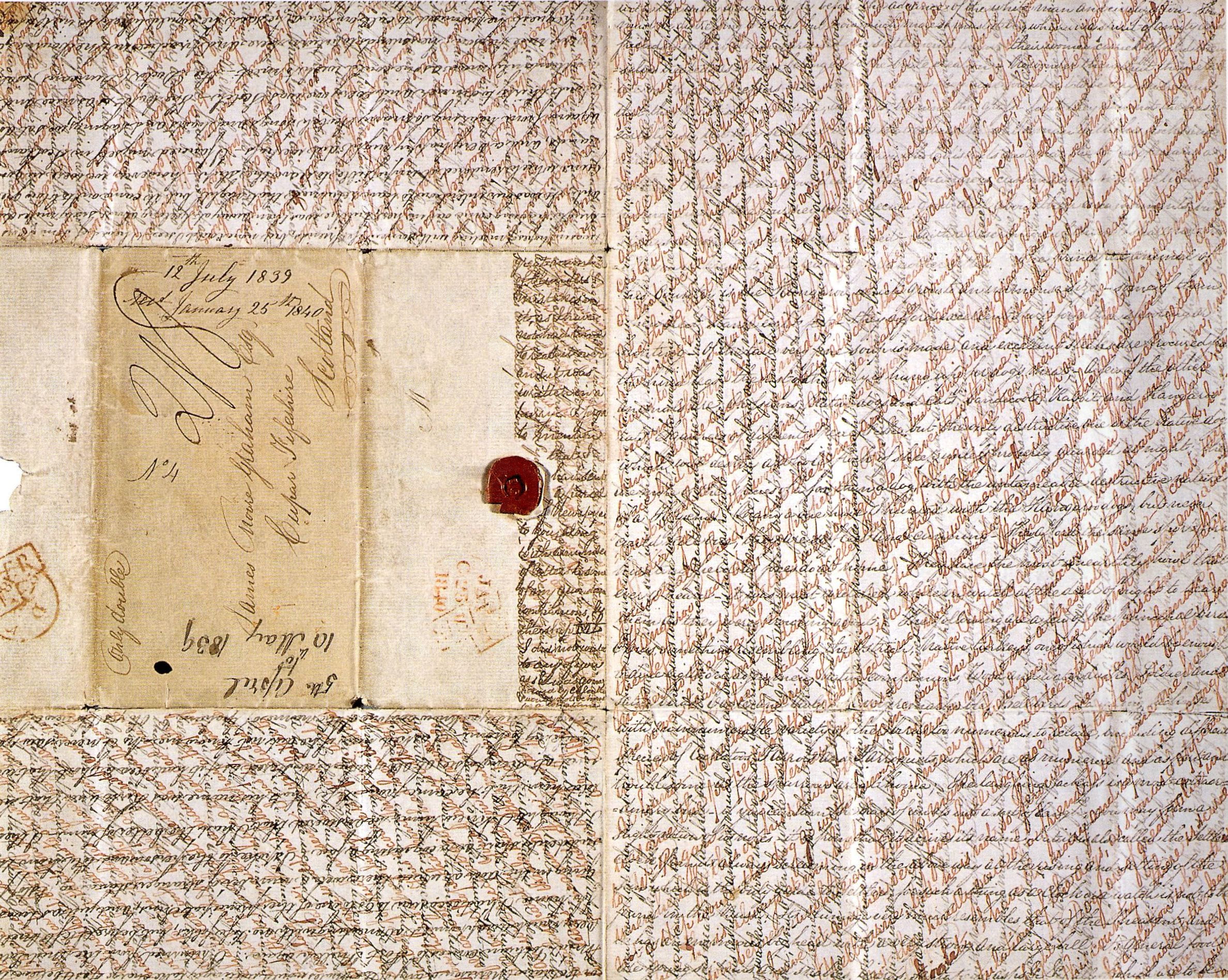
Nathaniel Cutter James Graham’s Overland Letter provides a vivid account of the early settlement of Victoria and of the hopefulness of many of its settlers, and …
blogs.unimelb.edu.au/librarycollections/2017/09/18/the-overland-letter
-
The Manicule: A Remnant of Readers Past
https://commons.wikimedia.org/w/index.php?curid=57312771 Between the twelfth and eighteenth centuries, the manicule was one of the most common symbols inscribed by readers in the margins of manuscripts and inserted …
blogs.unimelb.edu.au/librarycollections/2017/09/11/the-manicule-a-remnant-of-readers-past
-
Bound in History – Never Judge a Book By Its Cover…Or Its Spine
Following the invention of the printing press, bookbinders in the 15th to 18th centuries cut up and recycled earlier handwritten manuscripts from the Middle Ages.[i] Take, …
blogs.unimelb.edu.au/librarycollections/2017/09/05/bound-in-history-never-judge-a-book-by-its-coveror-its-spine
Number of posts found: 6