Ludwig Hirschfeld-Mack and the Bauhaus
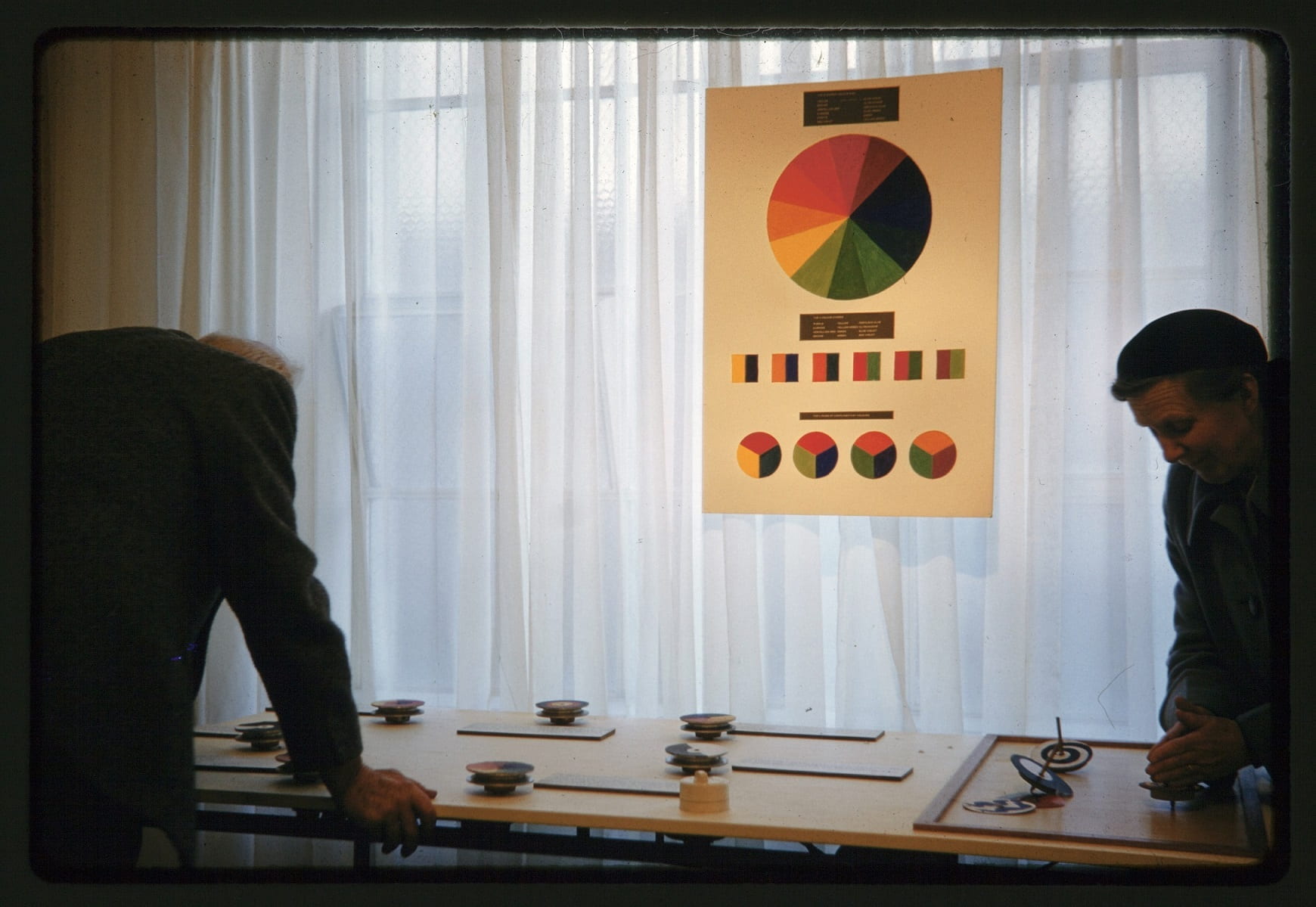
Colour photograph of two people looking at a table with various spinning tops. Above the table hangs a colour chart and a colour chart explaining how the spinning tops work.
Figure 1 – Bauhaus exhibition, 1961

Jane Beattie, Assistant Archivist
Melinda Barrie, Archivist
Georgie Ward, Assistant Archivist

2019 marks the centenary anniversary of the opening of the Bauhaus Arts School in Berlin. Influenced by the 19th and early-20th-century artistic movements, the Bauhaus approach to teaching, and to the relationship between art, society, and technology, had a major impact around the world long after its closure under Nazi pressure in 1933.  

Ludwig Hirschfeld-Mack delivered the first dedicated course on colour at the Bauhaus (as an unofficial course) in the winter semester of 1922-23, drawing on his life long fascination with the dynamic relationship between colour, movement and music. In his famous publication ‘The Bauhaus: An Introductory Survey’ Hirschfeld-Mack recalls how his own early interest in colour theory was inspired by the work of artists such as Paul Klee and Wasily Kandisky. He further describes the early experiments he conducted from 1922 to 1923 in the blending of primary colours and light which led to the development of his ‘Reflected Light Composition’ and ‘Colour Light Plays’. These early Bauhaus experiments later found expression in a didactic spinning top that demonstrated the optical mixing of colour upon a set of coloured plates. A model of the spinning top was produced for the opening of the Bauhaus Archive in Dramstadt, Germany in 1964, and later used in children’s education in Victoria, especially at the Kindergarten Teachers’ College in Kew. 

Hirschfeld-Mack remained at the Bauhaus until 1926 and developed the “Farbenlichtspiele” (colour-light play), a further demonstration of the application of colour theory. Colour light plays were developed out of Hirschfeld-Mack’s experience in painting, and the need to turn the dynamic and rhythmic movements of colours into movement. Musical accompaniment heightened the experience. The plays were first performed at the Bauhaus Archive in Dramstadt in 1923, they were again performed in 1964 at the Archive when a film of the performance was made. The collection contains complete designs of the organ, as well as instructions for how to set up and use, and scores for the musical component.   
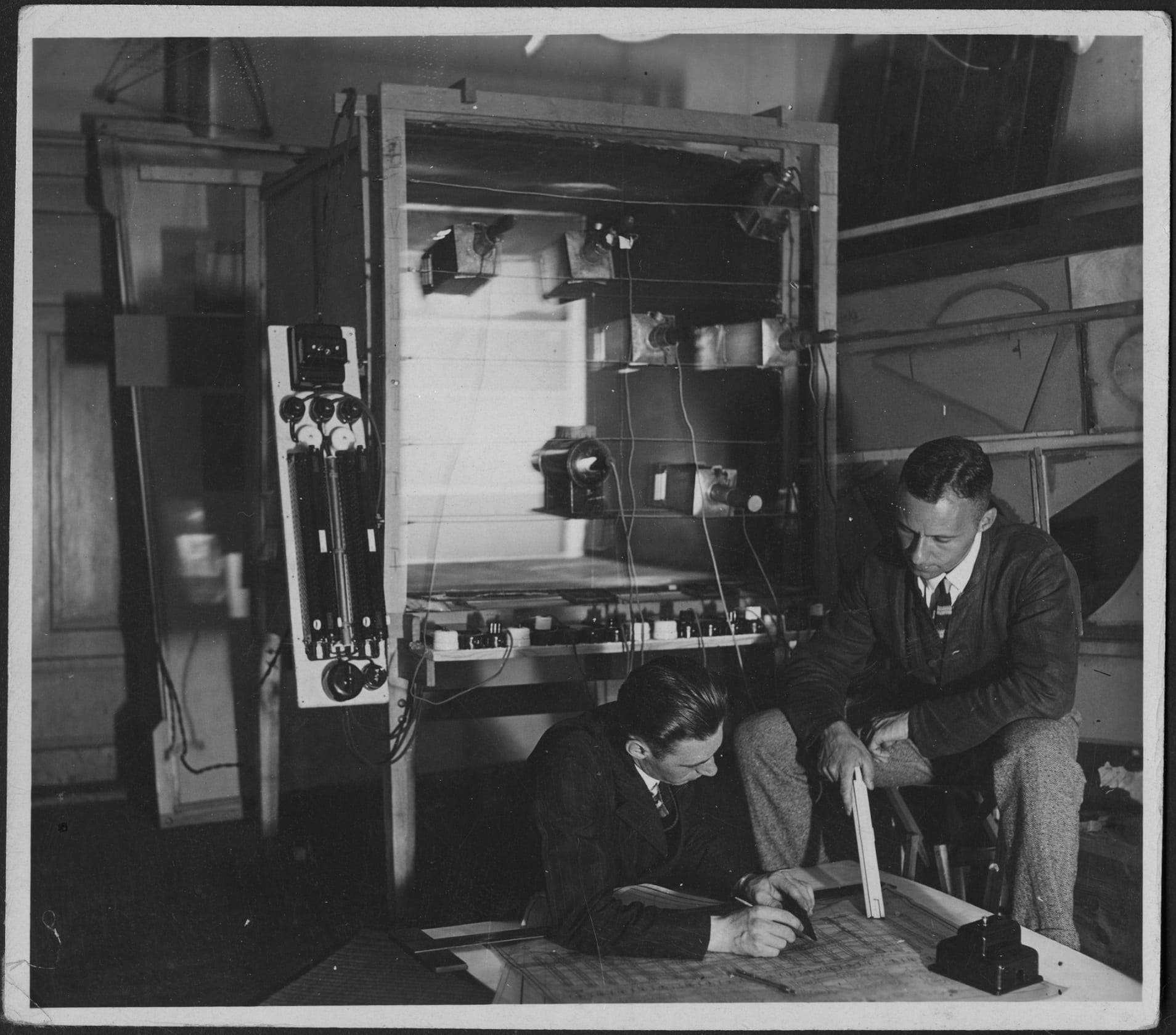
Black and white photograph of two men looking at blueprints. They are seated in front of a large metal apparatus.
Figure 2 – The Colour Light Projection Apparatus, 1923

After fleeing Germany to London in the lead up to World War Two, Hirschfeld-Mack was deported to Australia on the ship HMT Dunera in 1940 as an enemy alien. Despite internment in camps at Hay, Orange and Tatura , Hirschfeld-Mack continued producing artistic works and was eventually released through the efforts of Dr. James Darling. Hirschfeld-Mack was employed as art master at the Geelong Church of England Grammar School until his retirement in 1957, and taught at the University of Melbourne, the Council of Adult Education and elsewhere until 1965. 

A heritage trail tracing Hirschfeld-Mack’s influence around the Geelong Grammar campus and further information about the art teacher known as “Hirsch” can be found on the school’s website

The Ludwig Hirschfeld-Mack collection housed at UMA covers almost the whole period of Hirschfeld-Mack’s adult life, from photographs at teaching college in Dusseldorf to blueprints for the colour organ, to educational material and photographs of his students artistic work at Geelong Grammar and correspondence with luminaries of the Bauhaus such as Wasily KandiskyLászló Moholy-Nagy, and Josef Albers. Some correspondence, mostly between Hirschfeld-Mack and Hans Wingler, discusses destruction of the intellectual elite through the Nazis. Collection material is frequently used by students and academics alike for it’s deep research themes and comprehensive study of a fascinating life which has enriched the Australian art and educational landscapes. 

To see the Ludwig Hirschfeld-Mack (1971.0009) collection listing visit the UMA catalogue.

Figure 1 – Spinning top and colour chart, Bauhaus exhibition 1961, Ludwig Hirschfeld-Mack Collection, 1971.0009.00007. Reproduced with permission.
Figure 2 – Ludwig Hirschfeld’s Macks’ Colour Light Projection Apparatus, 1923, Ludwig Hirschfeld-Mack Collection, 1971.0009.00013. Reproduced with permission. 

Symposium: Prints, Printmaking and Philanthropy

As part of the 50th anniversary of the Harold Wright and Sarah and William Holmes scholarships, a forthcoming symposium will be one of the largest gatherings of print scholars, curators, artists and collectors in Australia. Prints, Printmaking and Philanthropy: a symposium celebrating 50 years of The Harold Wright and The Sarah and William Holmes Scholarships features a three-day program which encompasses four keynote lectures, ten sessions, two masterclasses, a book launch, and a viewing of the exhibition, Horizon Lines: the ambitions of a Print Collection.

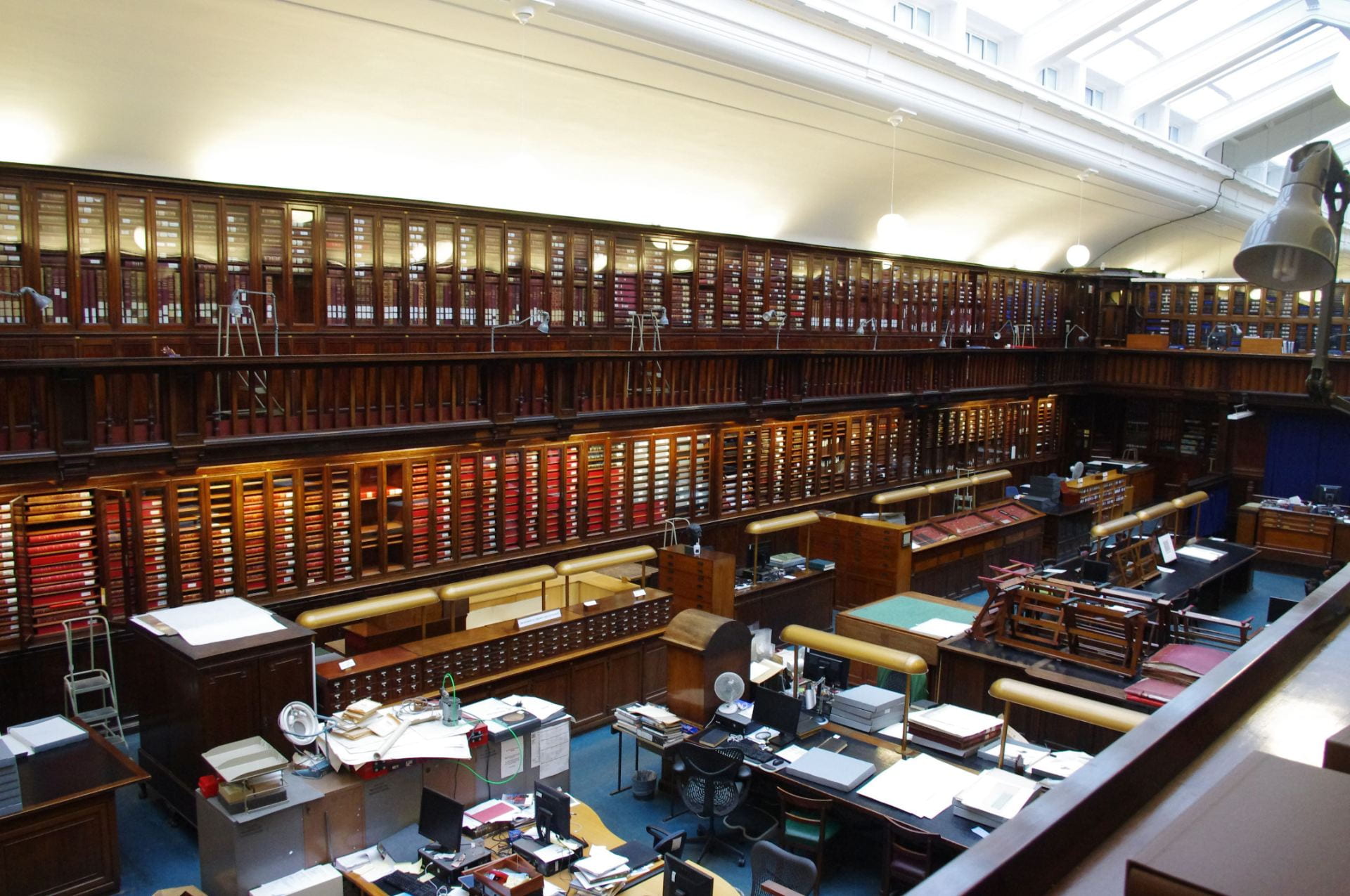
Department of Prints and Drawings study room, British Museum.

Continue reading “Symposium: Prints, Printmaking and Philanthropy”


Conserving Dürer’s woodcut “The Knight and the lansquenet”

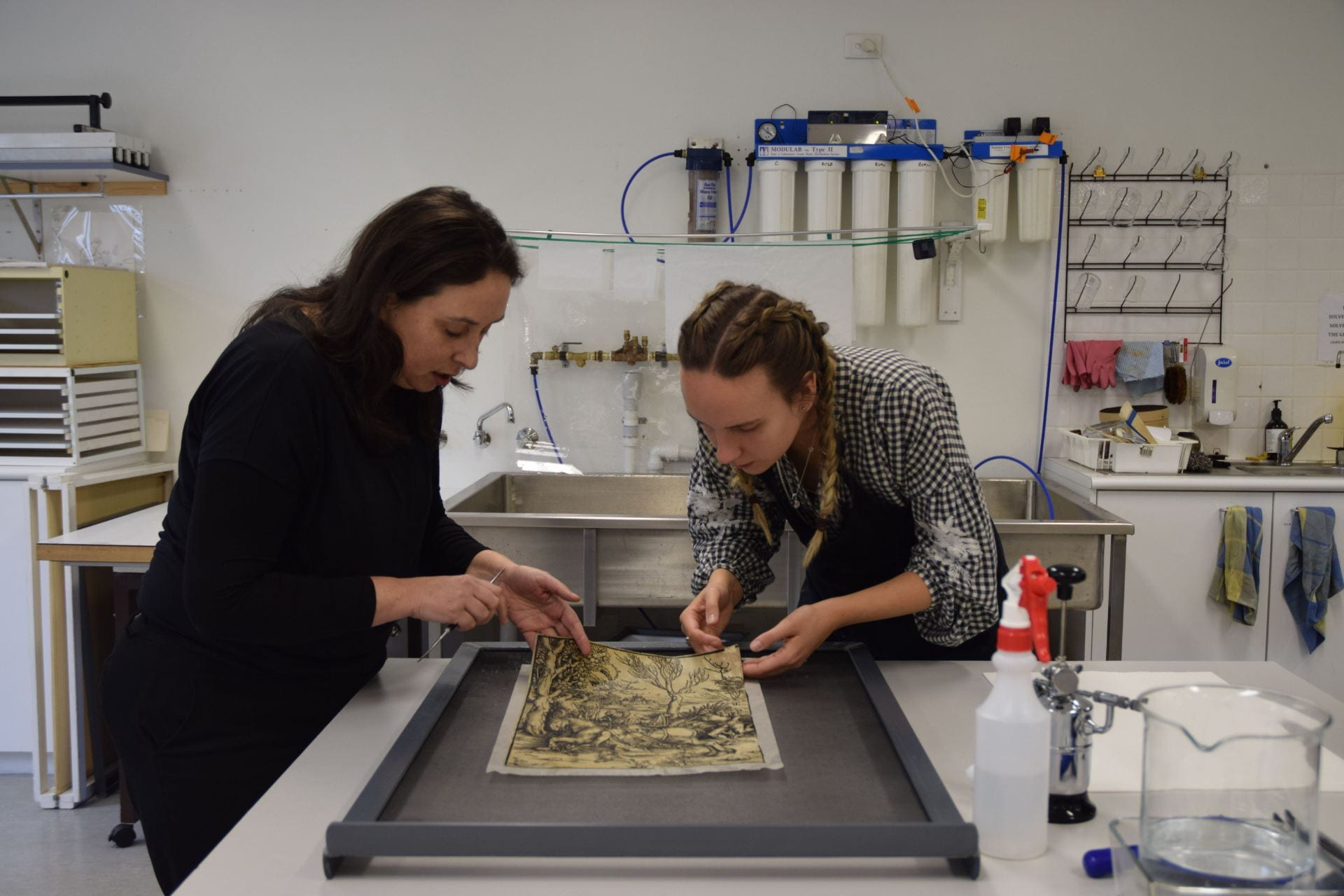
Grimwade Senior Paper Conservator, Libby Melzer, with student conservator, Laura Daenke preparing the print for washing.

The Poynton Collection forms part of the highly regarded Baillieu Library Print Collection, which over the years has invaluably contributed to the teaching of academic disciplines at the University of Melbourne (Anderson 2011, p. 5; Inglis 2011, p. 105). The collection is home to one of Albrecht Dürer’s enigmatic early woodcuts, The Knight and the lansquenet (c. 1496). This magnificent woodcut by the master printmaker depicts a knight on horseback and a lansquenet (foot soldier) in the woods. Unfortunately, a past attempt at repairing several prominent tears caused considerable aesthetic and physical damage. Consequently, the woodcut was deemed not suitable for exhibition without extensive conservation treatment.

Continue reading “Conserving Dürer’s woodcut “The Knight and the lansquenet””


Horizon Lines: Copyright Infringement and Collaboration

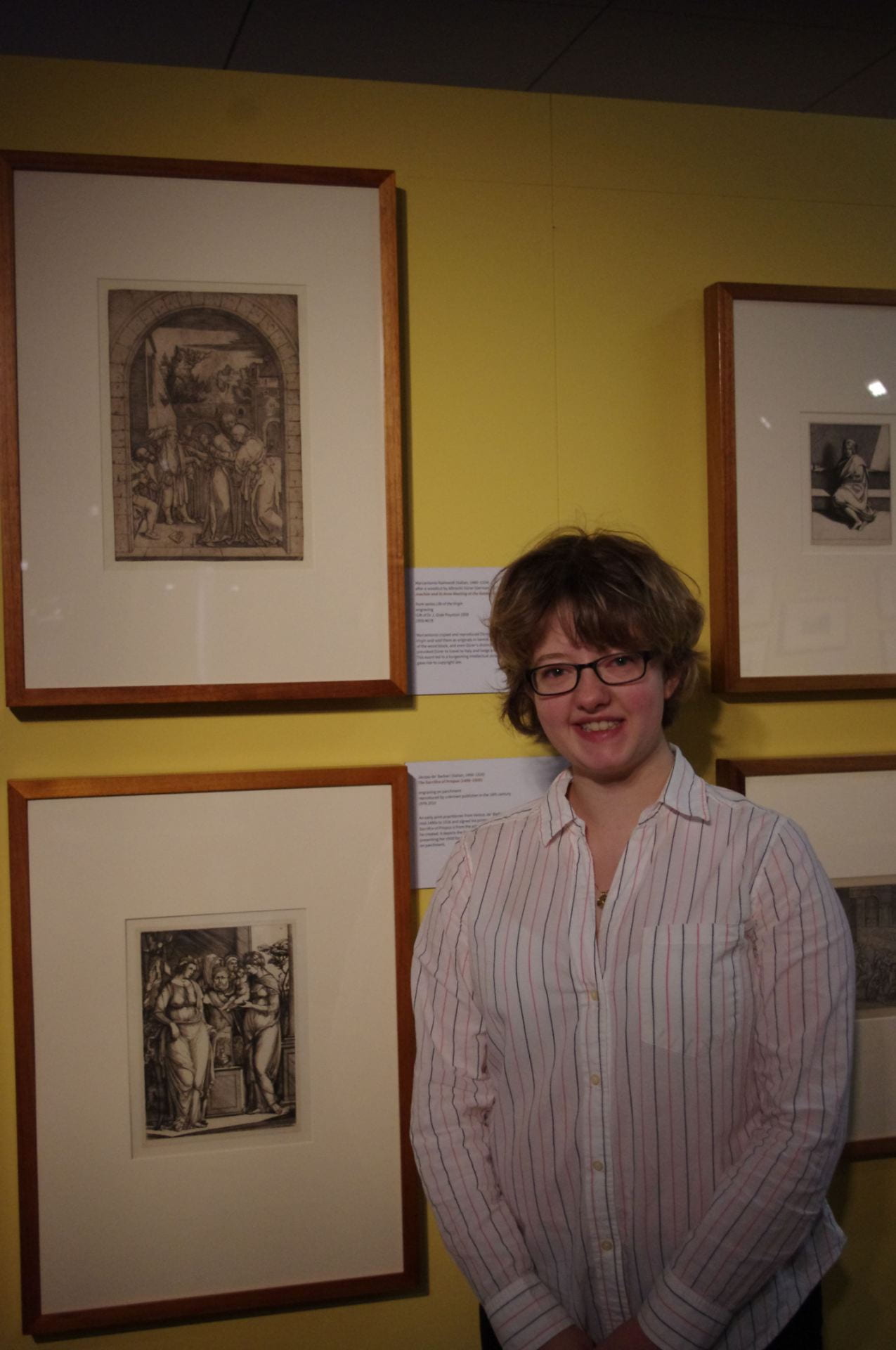
The Baillieu Print Collection contains over 9,000 works of art including pieces by Rembrandt, Dürer and the Australian artist, Lionel Lindsay. Some of the highlights of the collection are shown in the newly opened exhibition Horizon Lines: The Ambitions of a Print Collection. Having visited the exhibition, I can thoroughly recommend it and thought I would share some of my thoughts.
The exhibition is being held to celebrate the 50th anniversary of the Harold Wright and Sarah & William Holmes scholarships, which sponsor Australian and New Zealand scholars to go to the British Museum to study the print collection. The scholarships aim to promote collaboration between institutions in Britain and Australia and New Zealand. Notably, this latest exhibition features several replicas and drawings of objects from the British Museum collections.

Erin Holder visits Horizon lines exhibition.

Continue reading “Horizon Lines: Copyright Infringement and Collaboration”


New exhibition and lightning talks: Horizon lines

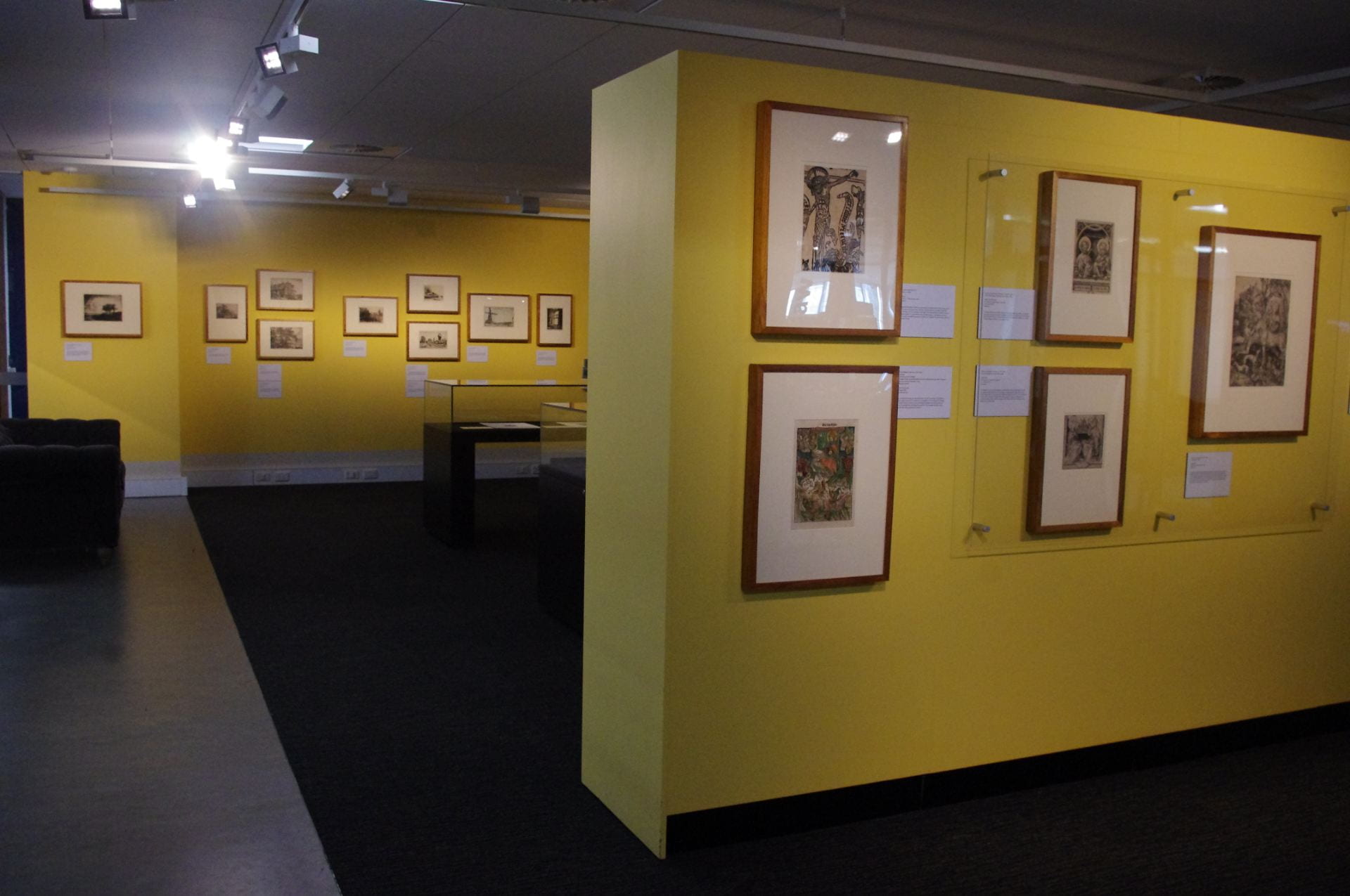
View into the exhibition "Horizon lines" Noel Shaw Gallery
View into the exhibition “Horizon lines” Noel Shaw Gallery

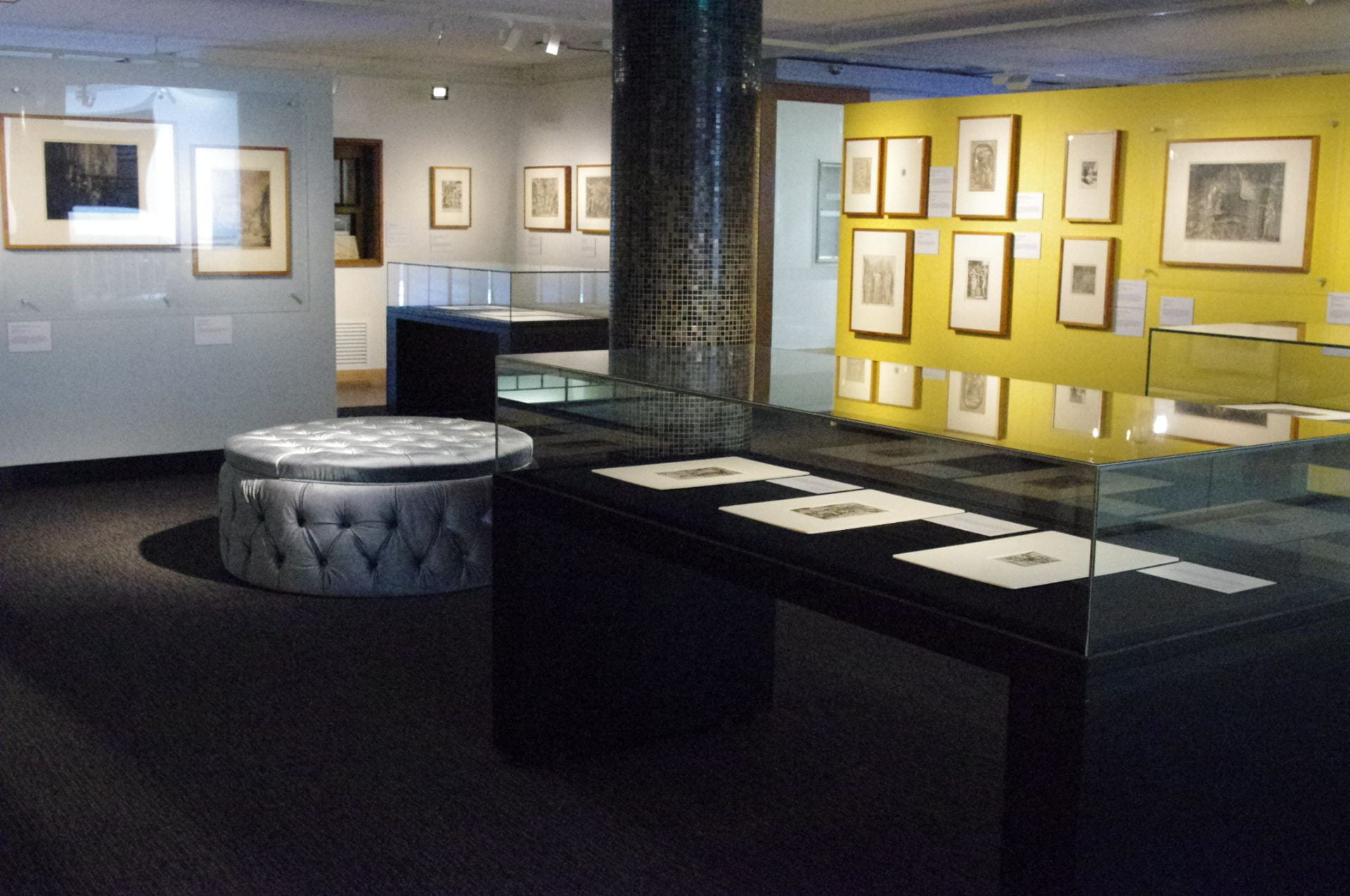
Horizon lines: the ambitions of a print collection is a new exhibition in the Baillieu Library. It is staged as one of the activities to celebrate the 50th anniversary of the Harold Wright and Sarah and William Holmes scholarships, awards enabling print scholars from Australia or New Zealand to examine prints at the British Museum. The exhibition begins on the ground floor with a display on Harold Wright, London print seller and connoisseur, and the etchings from his personal collection. In the Noel Shaw Gallery on the first floor, the main exhibition unfolds with works of art from the Baillieu Library Print Collection featuring Northern and Italian Renaissance printmakers, such as Albrecht Dürer, and Dutch Republic prints, including Rembrandt, as well as the etching revival.

Come along on Tuesday 20th of August at 12:00 noon to hear print room interns speak about their discoveries and insights into selected prints in the exhibition.

Inside the exhibition "Horizon lines" Noel Shaw Gallery
Inside the exhibition “Horizon lines” Noel Shaw Gallery

Number of posts found: 384

Post type

Previous posts